How to Remove Mold from Leather (Without Ruining It)
Out of the Mold Editorial Team
Our guides are research-backed and cite EPA, CDC, and peer-reviewed sources. Product reviews are based on hands-on testing, not manufacturer claims. Read our editorial standards.
Affiliate Disclosure: Out of the Mold is reader-supported. As an Amazon Associate, we may earn a commission when you buy through links on this page — at no extra cost to you. Our picks are based on independent standards, manufacturer specifications, and published research, not commissions.
Key Takeaways
- That white stuff on leather might be fatty bloom (spew), not mold. The hairdryer test takes 10 seconds: bloom melts, mold doesn't.
- Clean moldy leather with equal parts rubbing alcohol and water. Never use bleach — it destroys leather.
- Never use saddle soap on moldy leather — glycerine feeds mold growth and makes the problem worse.
- Air dry fully before conditioning. Conditioning damp leather traps moisture and creates a second mold cycle.
- Prevention: keep humidity below 50%, store in breathable bags (never plastic), add silica gel packets.
Mold on leather is almost always salvageable if you catch it early. Mix equal parts rubbing alcohol and water, wipe down the leather, let it air dry completely, then condition it. Never use bleach on leather — it destroys the material. And that white powdery stuff on your bag or jacket? It might not even be mold. Fatty bloom (also called "spew") is a common look-alike caused by oils migrating to the surface. The hairdryer test tells you which one you're dealing with in seconds.
You opened your closet, pulled out a leather jacket you haven't worn in months, and found white or green fuzzy patches on it. Or maybe it's your favorite bag after a humid summer, or a pair of boots that sat in the garage too long. Either way: don't panic, and definitely don't throw it out yet.
Leather is organic material — animal skin tanned with oils and fats. Mold loves it. It's porous, holds moisture, and the very oils that keep leather supple are food for mold spores. But leather mold is almost always a surface problem, and surface problems are fixable. I've cleaned mold off jackets, bags, and furniture that looked like lost causes. Here's exactly how to do it without ruining the leather.
First: Is It Actually Mold? (The Bloom vs. Mold Test)
Before you start cleaning, there's something most guides skip entirely: that white powdery substance on your leather might not be mold at all. Fatty bloom(also called fatty spew or saddler's bloom) is caused by palmitic acid, stearic acid, and other fats migrating through leather fibers and crystallizing on the surface. It looks like mold but it's a completely different thing.
Oil-tanned leather is particularly susceptible, and temperature swings accelerate the process. According to the National Park Service conservation research, leather dressings (neatsfoot oil, saddle soap, Pecard) are actually the primary cause of fatty acid spew — not environmental conditions.
| Feature | Fatty Bloom / Spew | Actual Mold |
|---|---|---|
| Color | Uniform white, waxy | Green, gray, black, orange, or multi-colored |
| Texture | Waxy, soapy feel | Fuzzy, furry, branched |
| Distribution | Even, uniform coverage | Patchy, irregular clusters |
| Smell | No notable scent | Musty, earthy, damp |
| Edges | Opaque, defined edges | Soft, fuzzy edges |
| Hairdryer test | Melts and disappears temporarily | Does not melt |
The hairdryer test:Point a hairdryer at the white substance for 10–15 seconds. If it melts, disappears, and then reappears later — that's fatty bloom. Just buff it away with a soft cloth. If it doesn't melt, you've got mold. Keep reading.
If you're dealing with a musty smell but can't see anything obvious, check our guide on what mold smells like — it covers the specific mVOC compounds that cause that damp leather closet smell.
What You'll Need
Total DIY cost: about $20–$30 if you don't already have these on hand.
- Isopropyl rubbing alcohol (70%) — ~$3–5 for 16 oz. The primary killing agent.
- White distilled vinegar — ~$3 for 32 oz. Alternative method if the alcohol test spot darkens the leather.
- Soft-bristle brush (or old soft toothbrush) — ~$5 for loosening surface mold.
- Clean white microfiber cloths— ~$8–12 for a pack. White so you can see what you're removing.
- Leather conditioner — Leather Honey ($20 for 8 oz), Bick 4 ($8 for 2 oz), or Lexol ($15 for a cleaner + conditioner kit). Non-negotiable after cleaning.
- Nitrile gloves and N95 mask — Mold spores go airborne when you brush them.
3M 8511 N95 Particulate Respirator
3M
$20–30
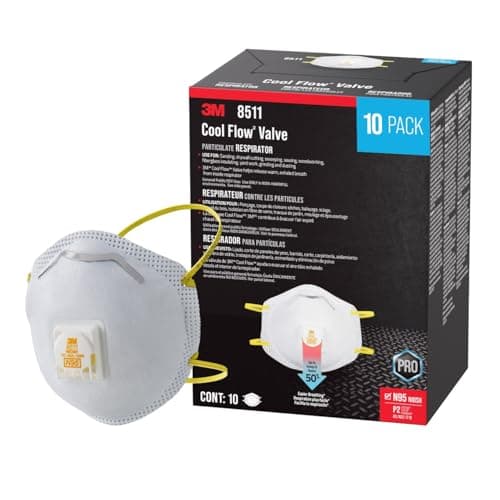
A NIOSH-approved N95 particulate respirator with Cool Flow exhalation valve for comfortable breathing during mold remediation. Filters at least 95% of airborne particles including mold spores. The adjustable M-noseclip and dual-strap design provide a secure seal. OSHA-recommended for mold work.
Pros
- NIOSH-approved N95 filtration
- Cool Flow valve reduces heat buildup
- Adjustable nose clip for secure fit
Cons
- Disposable, not reusable long-term
- Does not protect against chemical fumes or VOCs
- May not fit all face shapes comfortably
Critical warning: never use saddle soap to treat mold. Saddle soap creates moisture and its glycerine content actually feeds mold growth. It's fine for general leather cleaning, but on moldy leather it makes things worse. Use it only after the mold is completely dead and the leather has dried.
Step-by-Step Mold Removal from Leather
- Take the item outside. This is step one for a reason — brushing mold sends spores into the air. Do this outdoors or in a well-ventilated garage, not your living room.
- Brush off loose surface mold.Use a soft-bristle brush with gentle strokes away from your body. Don't scrub aggressively — you're removing loose spores, not grinding them in.
- Mix your cleaning solution. Equal parts rubbing alcohol and water in a spray bottle. This is the consensus best method across leather care forums and professionals — alcohol kills mold spores and evaporates quickly enough to avoid waterlogging the leather.
- Test on an inconspicuous spot. Spray a hidden area (inside a flap, bottom of the shoe). Wait 10 minutes. If the color holds, proceed. If the alcohol darkens or discolors the leather, switch to a 1:1 white vinegar and water solution instead.
- Wipe the entire surface with the solution.Use a clean white microfiber cloth dampened with the alcohol solution. Work in circular motions. Don't soak the leather — damp, not wet. Change cloths frequently so you're not redistributing spores.
- Air dry completely. Set the item in a shaded area with good airflow. Brief direct sunlight (1–2 hours) helps kill remaining spores, but prolonged UV damages leather. Never use a heater, hair dryer, or radiator — heat cracks leather.
- Condition the leather. Once fully dry (this is important — conditioning damp leather traps moisture and creates a second mold cycle), apply a quality leather conditioner. Alcohol strips oils from leather, so this step restores suppleness and prevents cracking.
- Store properly.See the prevention section below. If you skip this step, you'll be cleaning mold off the same item again in a few months.
For stubborn mold that doesn't respond to the alcohol wipe, try a dedicated leather mold cleaner. Leather Master Mold Cleaner ($23.50 for 8.45 oz) uses a special wetting agent that penetrates deeper than alcohol alone. For extreme cases, Leather Doctor makes a professional 10-component mold killer kit ($85–$210), though that's overkill for most household items. See our complete mold removal guide for all product options and methods.
Removing Mold by Leather Item Type
The basic process is the same, but each item type has nuances worth knowing.
Leather Jacket or Coat
Hang it on a sturdy hanger outside in shade. Brush downward from shoulders to hem. After cleaning with the alcohol solution, hang it in front of a fan — don't fold or compress it while drying. Apply conditioner with long, even strokes following the grain. Jackets have the most surface area, so budget 30–45 minutes for the full process.
Professional leather cleaning runs $96–$110 per jacket through specialty services like LeatherCareUSA, including mold removal, deep cleaning, conditioning, and water repellency treatment with a 10–14 day turnaround.
Leather Shoes or Boots
Remove the laces and insoles first. Stuff the interior with crumpled newspaper — this absorbs moisture and maintains shape during drying. Clean the exterior with the alcohol solution, paying extra attention to stitched seams where mold hides. For the interior, spray alcohol directly inside and let it air out for 24 hours before wearing. Condition the exterior once dry. Bick 4 is a good choice for shoes because it won't darken the leather.
Leather Bag or Purse
Empty everything. Turn pockets inside out. Clean both the exterior and interior lining — mold inside a closed bag is common because trapped air has nowhere to go. After cleaning and drying, place 2–3 silica gel packets inside before storing. For designer bags, stuff with acid-free tissue paper (not newspaper — the ink transfers) and store in the dust bag that came with it. Never store leather bags in plastic.
Leather Couch or Furniture
Vacuum the surface first with a HEPA-filtered vacuum to capture loose spores — a regular vacuum just blows them into the air. Work section by section with the alcohol solution, flipping cushions to check underneath. Furniture-grade leather is usually finished (coated), which means mold sits on the finish rather than penetrating the leather itself. This makes furniture the easiest to clean. After treating, run a dehumidifier in the room for 24–48 hours.
Leather Car Seats
Car leather mold is its own beast. The confined space, trapped moisture, and limited ventilation create conditions that are harder to remediate than household leather. We cover the full process — including HVAC treatment and ozone — in our car mold removal guide.
Leather Tack and Saddles
Equestrian leather gets moldy fast in humid barn environments. Professional saddlers recommend a half-vinegar, half-water spray rather than alcohol (less drying for thick, oil-saturated leather). After cleaning, apply Lexol conditioner or pure neatsfoot oil — but avoid neatsfoot compound, which contains petroleum distillates that degrade stitching over time. An interesting insight from saddlery forums: mold growth on tack actually indicates well-oiled, healthy leather. Overly dry tack won't support mold growth because there's nothing for spores to feed on.
When to Save vs. When to Toss
Most moldy leather can be saved. But not all of it. Here's the decision framework:
| Condition | Verdict | Why |
|---|---|---|
| Surface mold, no smell after cleaning | Save | Standard surface contamination, fully treatable |
| Mold on finished (coated) leather | Save | Finish prevents penetration into the leather itself |
| Musty smell persists after thorough cleaning | Maybe | Mold may have penetrated — try a second treatment and sun exposure |
| Leather is stiff, cracking, or brittle | Toss | Mold has consumed the fats and oils — structural damage is irreversible |
| Deep discoloration that won't clean off | Toss | Mold has penetrated below the surface into the fiber structure |
| Leather is delaminating or flaking | Toss | Structural integrity compromised beyond repair |
The musty smell is often harder to eliminate than the visible mold. Mold consumes the fats and oils in leather over time, causing permanent weakening and brittleness. The sooner you catch it, the better the outcome.
How to Prevent Mold on Leather
Mold on leather grows after just 2 days at 90–100% relative humidity, 10 days at 80% RH, and about 100 days even at 70% RH. Below 60% RH, mold growth is effectively controlled. The sweet spot for leather storage is 40–50% humidity at 65–70°F.
- Never store leather in plastic. Plastic traps moisture and creates exactly the high-humidity microclimate mold needs. Use breathable garment bags (cotton or canvas) for jackets and dust bags for purses.
- Add silica gel packets. Toss 2–3 packets into each stored bag, shoe box, and garment bag. Replace them every 2–3 months or when they change color (if using indicating silica gel). A 1-pound bag of silica gel packets costs about $8–12 on Amazon.
- Keep closets ventilated.A closet with no airflow is a terrarium. Leave closet doors cracked, use cedar blocks (natural moisture absorbers), or run a small closet dehumidifier. Don't pack leather items tightly together — airflow between them matters. The same damp closet that spots leather also grows mold on clothes, so treat the whole space, not just the jacket.
- Condition regularly. Conditioned leather has a sealed surface that resists moisture penetration. Every 3–6 months for items in regular use, every 6–12 months for stored items. Leather Honey, Bick 4, and Lexol are all solid choices.
- Never store leather damp. Got caught in the rain? Wipe the item dry and let it air out for at least 24 hours before putting it back in the closet. This is the single most common cause of leather mold — putting a slightly damp jacket straight into a dark closet.
- Monitor humidity.A $10–15 hygrometer in your closet tells you exactly what the conditions are. If it's consistently above 60%, you need a dehumidifier or better ventilation before storing any leather.
Concrobium Mold Control
Concrobium
$10–15
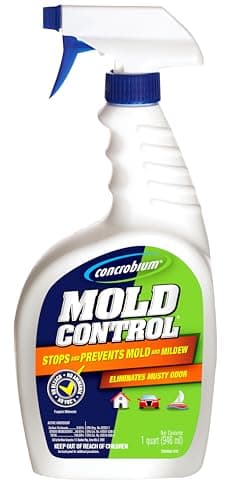
A patented, EPA-registered mold control solution that kills mold without bleach, ammonia, or VOCs. The tri-salt polymer formula crushes mold spores as it dries and leaves an invisible antimicrobial barrier to prevent regrowth. Safe for indoor use on virtually any surface.
Pros
- Non-toxic, no bleach or ammonia
- Kills mold and prevents regrowth
- Safe for use around children and pets
Cons
- Does not remove existing mold stains
- Takes longer to work than bleach-based products
- May require multiple applications for severe infestations
For leather stored long-term (off-season jackets, rarely used bags), check on it monthly during humid months. A 30-second inspection beats a 30-minute cleaning session. If you need to treat the closet itself, Concrobium Mold Control sprayed on closet walls and shelving creates an antimicrobial barrier that prevents mold from colonizing the storage space.
Dealing With Mold Right Now?
Our step-by-step mold removal guide walks you through testing your home, choosing the right products, and knowing when a job is too big for DIY.
Read the Removal GuideFrequently Asked Questions
Can moldy leather be saved?
In most cases, yes — if the mold is caught while it's still on the surface. Clean with a 1:1 rubbing alcohol and water solution, air dry fully, and condition. If the leather has become stiff, cracked, or structurally weakened, or if the musty smell persists after cleaning, the mold has penetrated too deep to salvage. See our black mold removal guide for general mold remediation principles.
Does vinegar damage leather?
Diluted white vinegar (1:1 with water) is safe for most leather when used in moderation. The mild acidity (4–5% acetic acid) kills approximately 82% of mold species. However, vinegar can slightly darken some leathers, so always test on a hidden spot first. After using vinegar, condition the leather within 24 hours to restore any stripped oils. Full details on vinegar for mold in our hydrogen peroxide and vinegar mold guide.
What causes white mold on leather?
It might not be mold at all. White powdery buildup on leather is often fatty bloom — palmitic and stearic acids migrating from the leather interior to the surface. Use the hairdryer test: if the white substance melts temporarily under heat, it's bloom, not mold. Just buff it away. Real white mold will be fuzzy or furry and won't respond to heat.
Can mold grow inside leather?
Yes, but it's less common on finished leather. Unfinished or lightly-finished leather (suede, nubuck, some vintage leather) is more susceptible to deep mold penetration because there's no protective coating barrier. If you notice a musty smell even after cleaning the exterior, mold may have colonized the internal fiber structure. Long-term mold exposure consumes the fats that keep leather supple, eventually making it brittle and structurally unsound.
Should I throw away moldy leather shoes?
Not unless the leather is stiff, cracking, or falling apart. Surface mold on leather shoes is straightforward to treat — brush off the loose mold outdoors, wipe with alcohol solution, stuff with newspaper to dry, and condition once dry. I've salvaged shoes that looked far gone. Replace them only if the mold has caused structural damage (delaminating soles, crumbling leather) or if the smell won't go away after two cleaning cycles.
How do I store leather to prevent mold?
Three rules: keep humidity below 50%, use breathable storage (never plastic), and ensure air circulation. Silica gel packets inside stored items, cedar blocks in closets, and conditioning every 3–6 months cover the basics. The most important habit is never putting leather away while it's even slightly damp.
Frequently Asked Questions
Can moldy leather be saved?
Does vinegar damage leather?
What causes white mold on leather?
Can mold grow inside leather?
Should I throw away moldy leather shoes?
How do I store leather to prevent mold?
Related Articles
How to Remove Mold from Your Car Interior
How to Get Rid of Black Mold: DIY Removal Guide
What Does Mold Smell Like? How to Identify Mold by Smell
Hydrogen Peroxide for Mold: Does It Actually Work?
Concrobium Mold Control Review: What It Does (and What It Won't)
Orange Mold: Identification, Risks, and Removal by Surface
Dealing With Mold Right Now?
Our step-by-step mold removal guide walks you through testing your home, choosing the right products, and knowing when a job is too big for DIY.
Read the Removal Guide