How to Remove Mold from Your Shower (Step-by-Step)
Out of the Mold Editorial Team
Our guides are research-backed and cite EPA, CDC, and peer-reviewed sources. Product reviews are based on hands-on testing, not manufacturer claims. Read our editorial standards.
Affiliate Disclosure: Out of the Mold is reader-supported. As an Amazon Associate, we may earn a commission when you buy through links on this page — at no extra cost to you. Our picks are based on real testing and independent standards, not commissions.
Key Takeaways
- Run the exhaust fan for 30+ minutes after every shower to prevent mold.
- Replace moldy caulk completely rather than trying to clean it.
- RMR-86 removes grout stains fast; Wet & Forget prevents them weekly.
- A squeegee after each shower reduces moisture by up to 75%.
To remove shower mold from grout, apply a paste of baking soda and hydrogen peroxide (3%), let it sit for 15 minutes, then scrub with a stiff brush. For moldy caulk, don't clean it — remove and replace it with 100% silicone caulk containing mildewcide additives. The pink discoloration commonly mistaken for mold is actually Serratia marcescens, an airborne bacterium that thrives on soap residue and is easily cleaned with any bathroom cleaner. To prevent recurrence, run your exhaust fan (minimum 50 CFM for standard bathrooms) for 20 minutes after every shower.
Shower mold is the single most common household mold problem, and it isn't hard to understand why. Every time you shower, you create a warm, humid micro-environment with temperatures between 70 and 110 degrees Fahrenheit and near-100% humidity — exactly what mold needs to thrive. Add soap scum, body oils, and dead skin cells as food sources, and your shower becomes an all-you-can-eat buffet for fungal growth.
The good news is that shower mold is also one of the easiest mold problems to solve, provided you address both the existing growth and the conditions that caused it. This guide covers every surface in your shower, from tile grout and caulk to glass doors and natural stone, with specific techniques and product recommendations for each.
Why Showers Are a Mold Magnet
Your shower delivers the four things mold needs — moisture, warmth, food, and a porous surface — every single day, making it the single most mold-prone area in any home. Understanding why mold loves your shower helps you prevent it long-term.
Moisture is obviously abundant. After a typical 8-minute shower, the bathroom humidity can reach 80 to 100 percent. Without adequate ventilation, it can take 30 to 60 minutes for humidity to return to normal levels. During that time, water droplets sit on every surface, soaking into grout, pooling in corners, and clinging to caulk lines.
Warmth accelerates mold growth. Most mold species grow fastest between 77 and 86 degrees Fahrenheit, which is the exact temperature range of a typical warm shower. Even after you turn off the water, residual heat from steam keeps surfaces warm.
Food sources are everywhere. Soap scum is a combination of fatty acids from soap and minerals from hard water — mold metabolizes it readily. Shampoo and conditioner residue, body oils, and dead skin cells all provide additional organic nutrients. Even the cellulose in paper-faced drywall behind shower walls can feed mold if moisture penetrates the tile.
Poor ventilation ties everything together. Many bathrooms have undersized exhaust fans, and plenty of homeowners don't run them long enough (or at all). Without airflow to carry moisture out, your shower stays damp for hours — far longer than the 24 to 48 hours mold needs to begin colonizing a surface.
Types of Mold You'll Find in Showers
The three most common shower growths are pink Serratia marcescens bacteria, black Cladosporium or Aspergillus mold on grout, and mildew embedded in caulk — each requires a different treatment approach. White crystalline deposits on grout are efflorescence (mineral salt migration), not mold — efflorescence dissolves in water while mold does not. For identification of less common species, see our types of mold guide.
Pink "Mold" (Serratia marcescens)
Those pink or orange-pink streaks you see along grout lines, in corners, and on shower curtains aren't actually mold — they're colonies ofSerratia marcescens, an airborne bacterium that thrives on fatty substances like soap and shampoo residue. It's the most common shower growth you'll encounter and the easiest to clean. A simple scrub with an all-purpose bathroom cleaner eliminates it. However, it returns quickly if you don't address the moisture and soap residue that feed it. See our full pink mold guide for detailed removal and prevention steps.
Black Mold on Grout
Dark green or black discoloration embedded in grout lines is typicallyCladosporium or Aspergillus — common environmental molds that are present almost everywhere. While the term "black mold" often triggers alarm, these species are far more common in showers than the notorious Stachybotrys chartarum(toxic black mold), which requires sustained saturation of cellulose-based materials and is rarely found on tile or grout. That said, any mold growth should be removed promptly, as all mold species can cause allergic reactions and respiratory irritation in sensitive individuals. If you're unsure what you're dealing with, a home mold test kit can identify the species. For a comprehensive walkthrough of black mold treatment beyond just showers, see our black mold removal guide.
Mildew on Caulk and Silicone
Gray or black spots on the caulk lines around your tub, shower pan, or where tile meets the wall are usually mildew (a surface-dwelling mold). Mildew on caulk is notoriously difficult to fully clean because it grows not just on the surface but down into the porous silicone material. In most cases, if the mold is embedded in the caulk itself rather than just sitting on the surface, replacing the caulk is more effective than trying to bleach it clean.
Supplies You'll Need
Gather all supplies before you start so you can work through the entire shower without interruption. Here's what you'll need for a complete shower mold removal:
- Mold removal spray (see recommended products below)
- Stiff grout brush or old toothbrush
- Non-scratch scrub sponge
- Baking soda
- Spray bottle
- Rubber gloves
- Eye protection
- Clean microfiber cloths
- Caulk removal tool and fresh mold-resistant caulk (if replacing caulk)
- Squeegee
Wet & Forget Shower Cleaner
Wet & Forget
$15–22
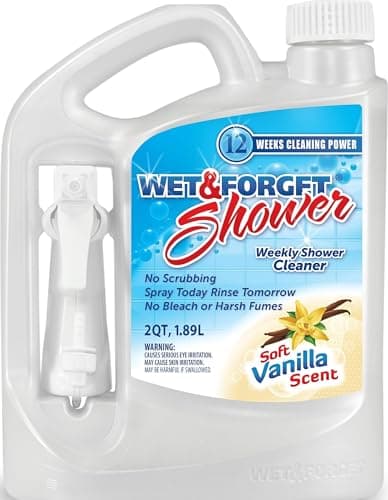
A weekly no-scrub shower cleaner that prevents mold, mildew, and soap scum buildup. Simply spray on shower surfaces before bed and let the formula work overnight. The bleach-free formula is safe for all shower surfaces including natural stone, tile, glass, and fixtures.
Pros
- No scrubbing, wiping, or rinsing required
- Weekly application prevents mold and soap scum buildup
- Bleach-free and gentle on surfaces
Cons
- Not designed for severe mold infestations
- Takes overnight to work (apply before bed)
- Only for bathroom/shower surfaces
Concrobium Mold Control
Concrobium
$10–15
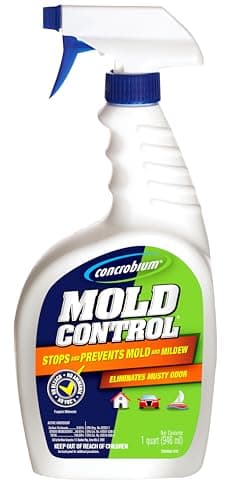
A patented, EPA-registered mold control solution that kills mold without bleach, ammonia, or VOCs. The tri-salt polymer formula crushes mold spores as it dries and leaves an invisible antimicrobial barrier to prevent regrowth. Safe for indoor use on virtually any surface.
Pros
- Non-toxic, no bleach or ammonia
- Kills mold and prevents regrowth
- Safe for use around children and pets
Cons
- Does not remove existing mold stains
- Takes longer to work than bleach-based products
- May require multiple applications for severe infestations
How to Clean Mold From Tile Grout
A paste of baking soda and 3% household strength hydrogen peroxide, left to sit for 15 minutes, is the most effective DIY grout mold treatment. Cement-based vs epoxy grout matters here — epoxy grout is non-porous and inherently mold-resistant, while cement-based grout absorbs moisture and requires more aggressive treatment. The key to effective grout cleaning is dwell time — letting the cleaning product sit long enough to penetrate below the surface, not just clean the top layer.
Method 1: Baking Soda Paste (Mild to Moderate Mold)
- Mix baking soda with just enough water to create a thick paste, roughly the consistency of toothpaste.
- Apply the paste directly to all moldy grout lines using your finger or an old toothbrush. Press it into the grout — don't just spread it on top.
- Spray white vinegar over the baking soda paste. It will fizz and bubble. This reaction helps lift mold from the porous grout surface.
- Let the paste sit for 15 to 20 minutes. For stubborn staining, cover the paste with plastic wrap to keep it moist and extend the dwell time to 30 minutes.
- Scrub each grout line with a stiff grout brush using firm, short back- and-forth strokes. Work in small sections of about one square foot at a time.
- Rinse thoroughly with warm water and inspect. Repeat if discoloration remains.
Method 2: Commercial Mold Spray (Moderate to Heavy Mold)
- Spray your mold removal product directly on all affected grout lines, saturating them thoroughly.
- Allow the product to sit for the contact time listed on the label, typically 5 to 15 minutes.
- Scrub with a grout brush. For heavily stained grout, a powered rotary grout brush attachment for a drill can dramatically reduce effort and improve results.
- Rinse completely and dry the area with a clean cloth.
Important note on bleach: Chlorine bleach (sodium hypochlorite) will whiten mold-stained grout temporarily but does not penetrate porous surfaces effectively. The mold often returns within weeks because bleach kills the surface mold but leaves roots (hyphae) intact below the surface. For long-term results, use a product specifically formulated for mold remediation, or follow up a bleach cleaning with a mold prevention spray like Concrobium. Apply a penetrating silicone-based grout sealer annually to reduce porosity and make future mold growth far less likely.
Cleaning vs. Replacing Moldy Caulk
If mold is inside the caulk, don't clean it — remove and replace it with 100% silicone caulk containing mildewcide additives (the industry term for built-in antimicrobial compounds that inhibit mold growth). Here's the simple rule: if you can see dark spots inside the caulk (not just on the surface), you should replace it rather than try to clean it. Surface mold on caulk can be wiped or sprayed away. But mold that has penetrated into the silicone or latex material will always return because you can't reach the embedded growth with any surface-applied product.
When to Clean
- Mold is only on the surface and wipes off with a spray and cloth
- The caulk is less than a year old and still in good condition
- Discoloration is limited to a small area
When to Replace
- Dark spots remain after thorough cleaning — the mold is internal
- The caulk is cracking, peeling, or pulling away from surfaces
- Mold appears within a week or two of cleaning, even with prevention efforts
- The caulk is older than 3 to 5 years (it degrades and becomes more porous over time)
How to Replace Caulk
- Remove the old caulk completely using a caulk removal tool or a sharp utility knife. Pull off as much as you can by hand, then scrape the remaining residue. A caulk softener product can make this easier.
- Clean the exposed joint with rubbing alcohol or a mold spray to kill any mold behind the old caulk. Let it dry completely.
- Apply painter's tape on both sides of the joint for a clean line.
- Apply mold-resistant silicone caulk (look for products labeled "kitchen and bath" with mold and mildew resistance). DAP Kwik Seal Ultra and GE Supreme Silicone both contain biocides that inhibit mold growth.
- Smooth the bead with a wet finger or caulk finishing tool, then carefully remove the tape immediately before the caulk skins over.
- Allow 24 hours to cure before exposing to water.
Cleaning Mold From Glass Shower Doors
Mold on glass shower doors grows primarily in the bottom track, rubber gaskets, and frame edges — the glass itself usually just has soap scum or hard water deposits that look similar to mold but aren't. Focus your cleaning efforts on those hidden crevices rather than the glass panels.
To clean the metal frame and track, spray mold remover into the track channel and let it sit for 10 minutes. Use a narrow brush (an old toothbrush or a bottle brush) to scrub inside the track. For the rubber gaskets, spray and scrub gently — harsh chemicals can deteriorate rubber seals over time. Concrobium Mold Control is a good choice for gaskets because it's non-corrosive.
For the glass itself, a paste of baking soda and dish soap works well for combined soap scum and mildew. Apply it with a non-scratch sponge, let it sit for 5 minutes, scrub in circular motions, and rinse. Follow up with a squeegee to remove all water. Frameless shower glass is much easier to maintain than framed doors because there are no tracks or gaskets to harbor mold.
Natural Mold Removal Solutions
White vinegar and 3% household strength hydrogen peroxide are the two most effective natural mold killers for showers, and both are safe for all surfaces except natural stone. If you prefer to avoid commercial chemicals in your bathroom, these natural alternatives can be effective against mild to moderate shower mold. They work best as regular maintenance treatments rather than heavy-duty mold removers.
White Vinegar
Undiluted white vinegar (5% acetic acid) kills about 82% of mold speciesaccording to studies. Pour it into a spray bottle, apply generously to moldy areas, and let it sit for at least one hour. Do not rinse — let it dry on the surface. The vinegar smell dissipates within a few hours. Vinegar is safe for all shower surfaces except natural marble or travertine, where the acid can etch the stone.
Hydrogen Peroxide (3%)
Standard 3% hydrogen peroxidefrom the drugstore is an effective mold killer and has mild bleaching action that can help lift stains from white grout. Spray it on, let it sit for 10 minutes, then scrub and rinse. Hydrogen peroxide breaks down into water and oxygen, leaving no residue. It's safe for all surfaces and can be combined with baking soda for extra cleaning power. Do not mix hydrogen peroxide with vinegar — the combination creates peracetic acid, which can be irritating to skin and lungs.
Tea Tree Oil
Tea tree oil (melaleuca) is a natural antifungal. Mix 1 teaspoon of tea tree oil with 1 cup of water in a spray bottle. Spray on moldy areas and do not rinse — the residual oil continues to inhibit mold growth. Tea tree oil has a strong medicinal scent that some people find unpleasant; it fades over a day or two. This is one of the more expensive natural options but is excellent as a preventive spray between deeper cleanings.
Baking Soda
Dissolve 1 tablespoon of baking soda in a spray bottle of water. Spray on surfaces, scrub, and rinse. Baking soda is mildly abrasive, which helps physically remove mold from porous surfaces like grout. It's also a natural deodorizer, which helps eliminate the musty smell. Baking soda is safe for every surface including natural stone.
A word of caution: Natural solutions are effective for maintenance cleaning and mild mold, but for established mold growth — especially black mold embedded in grout — you'll generally get better results with a purpose-made mold killer spray or a dedicated mold removal sprayfor stubborn stains. Natural doesn't always mean stronger; it just means fewer chemicals. For help choosing the right approach, see our complete mold removal guide.
Mighty Mint Mold & Mildew Stain Remover
Mighty Mint
$14–20
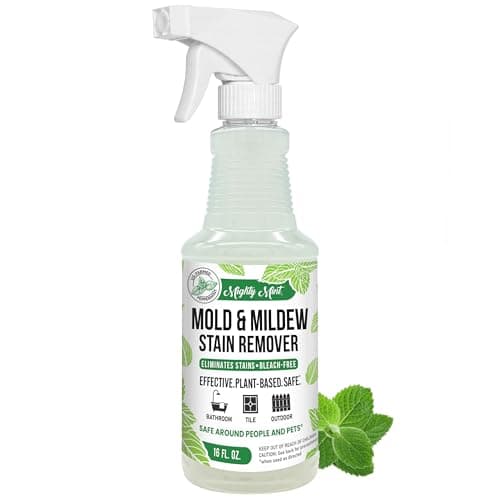
A plant-based mold and mildew stain remover that uses peppermint oil and naturally derived cleaning agents in place of bleach or ammonia. Designed for bathrooms, kitchens, and other damp areas where harsh chemical fumes are a concern, making it a safer pick for homes with children, pets, or chemical sensitivities.
Pros
- Plant-based formula built around peppermint oil
- Safe for indoor use around kids and pets when used as directed
- Fresh mint scent instead of harsh chemical fumes
Cons
- Less effective on deeply set black mold stains than bleach-based sprays
- May need repeat applications on stubborn growth
- Higher price per ounce than conventional sprays
Preventing Shower Mold From Returning
Running your exhaust fan for 20 minutes after every shower is the single most effective prevention measure — proper exhaust fan sizing is 1 CFM per square foot of bathroom floor area (minimum 50 CFM). Even a perfectly clean shower will grow mold again within weeks if you don't change the environmental conditions. Prevention is about moisture control and reducing the organic material mold feeds on. Incorporate these habits and you'll dramatically reduce how often you need to deep clean.
- Run your exhaust fan during and after every shower. Turn it on before you start the water and leave it running for at least 20 to 30 minutes after you finish. If your fan is too quiet to hear through the house, set a timer on your phone. If your bathroom doesn't have an exhaust fan, installing one should be a priority — it's the single most impactful mold prevention measure for bathrooms.
- Squeegee walls and doors after every shower. It takes 30 seconds and removes up to 75% of the moisture that would otherwise sit on surfaces and evaporate slowly over hours. Focus on the bottom third of walls and the shower door where water accumulates most.
- Leave the shower door or curtain open after use. A closed shower enclosure traps humid air. Opening the door or pulling the curtain to one side allows air circulation that speeds drying. If you have a shower curtain, spread it out rather than bunching it up — bunched fabric stays damp in the folds.
- Spray a daily shower cleaner. Products like Wet & Forget Shower Cleaner are designed to be sprayed on after showering with no scrubbing or rinsing required. They break down soap scum and inhibit mold growth between cleanings.
- Use mold-resistant caulk. When you recaulk your shower (which you should do every 3 to 5 years), choose a product with built-in mold inhibitors. Pair it with mold-resistant paint on walls and ceiling for maximum bathroom protection. For persistent issues, read our Concrobium Mold Control review for a product that prevents regrowth. This won't make the caulk mold-proof forever, but it significantly delays the onset of mold colonization.
- Clean weekly. A quick weekly wipe-down of all shower surfaces with a bathroom cleaner prevents mold from establishing itself. Once mold has visible colonies, it has already produced millions of spores — keeping it from reaching that stage is far easier than removing established growth.
- Fix drips and leaks. A dripping showerhead or leaking faucet provides a constant moisture source even when the shower isn't in use. A leaking shower pan is even worse, as it sends moisture into the subfloor and wall cavity where mold can grow unseen.
Need Professional Mold Removal?
Get free, no-obligation quotes from licensed mold remediation specialists in your area.
Get Free QuotesFrequently Asked Questions
Why does mold keep coming back in my shower?
Should I remove moldy caulk or can I clean it?
What is the best way to prevent mold on shower ceiling?
Related Articles
How to Remove Mold with Spray: The Complete 7-Step Process
Mold-Resistant Paint: How It Works, When to Use It, and What It Can't Do
Hydrogen Peroxide for Mold: Does It Actually Work?
Best Mold Removal Products: What Works for Every Surface & Situation
Does Vinegar Kill Mold? The Science, the Limits, and How to Use It Right
Mold vs Mildew: How to Tell the Difference & What to Do About Each
Need Professional Mold Removal?
Get free, no-obligation quotes from licensed mold remediation specialists in your area.
Get Free Quotes