Black Mold in Your AC: How to Identify, Remove & Prevent It
Out of the Mold Editorial Team
Our guides are research-backed and cite EPA, CDC, and peer-reviewed sources. Product reviews are based on hands-on testing, not manufacturer claims. Read our editorial standards.
Affiliate Disclosure: Out of the Mold is reader-supported. As an Amazon Associate, we may earn a commission when you buy through links on this page — at no extra cost to you. Our picks are based on real testing and independent standards, not commissions.
Key Takeaways
- Check the drip pan, evaporator coils, and vents first for visible mold.
- A musty smell when AC turns on is the most common sign of HVAC mold.
- Concrobium fogger treats ducts effectively when run through the air intake.
- Change filters monthly and clear the condensate drain line to prevent mold.
- Professional remediation is recommended for mold inside the air handler unit.
If you smell a musty odor only when your AC runs, mold is likely growing on the evaporator coil or in the condensate drain pan. You can safely clean visible mold on vent covers and replace the air filter (upgrade to MERV 13 or higher), but mold inside the air handler or ductwork requires professional HVAC remediation ($300-$1,000). Install a UV-C germicidal light (254nm wavelength) in the air handler to prevent regrowth — these kill 99.9% of mold spores passing through the system. Maintain indoor relative humidity between 30-50% to eliminate the conditions mold needs to colonize.
Your air conditioning system is designed to cool and dehumidify your home, but the very process that makes it work also creates ideal conditions for mold growth. Every time your AC runs, the evaporator coil pulls moisture from warm air, producing condensation. That condensation collects in a dark, enclosed space with minimal airflow when the system cycles off — precisely the environment mold needs to establish itself.
What makes mold in an AC system particularly concerning is distribution. Unlike mold growing in a bathroom corner or on a basement wall, mold in your HVAC system has access to a forced-air delivery network that reaches every room in your home. When contaminated air circulates through ducts, it carries mold spores to every supply vent, exposing everyone in the building to elevated spore counts with every cooling cycle.
How to Identify Mold in Your AC System
A musty odor that appears only when the AC is running is the most reliable indicator of HVAC mold — if the smell fades when the system shuts off, the source is almost certainly inside the air handler or ductwork. The most common mold species in HVAC systems are Cladosporium, Penicillium, and Aspergillus — Stachybotrys chartarum (toxic black mold) is less common but more dangerous. AC mold often goes undetected for months because the growth occurs inside equipment and ductwork that you rarely see.
Musty Smell When the AC Runs
The most common first sign is a musty, stale, or earthy odor that appears within minutes of the air conditioning turning on and fades when the system shuts off. This smell comes from microbial volatile organic compounds (MVOCs) produced by active mold colonies. If the odor is strongest near certain supply vents, mold may be concentrated in those specific duct runs. If it's uniform throughout the house, the source is likely at the air handler itself — on the evaporator coil, in the drain pan, or on the blower housing.
Visible Mold on Vents and Registers
Remove a supply vent cover and look at the inside surface and the first few inches of visible ductwork. Dark discoloration, fuzzy growth, or black streaking around the edges of the register are clear indicators. Also check return air grilles — these pull air from the room and any mold growing on or near the return filter will be pulled into the system and redistributed.
Increased Allergy or Respiratory Symptoms
If household members experience worsening allergy symptoms, unexplained coughing, sneezing, watery eyes, or sinus congestion that improves when they leave the building, airborne mold from the HVAC system is a strong possibility. Symptoms that correlate with AC runtime — worse during the day when the AC runs frequently and better at night when windows are open — are particularly suggestive.
Water Stains or Dripping Near the Air Handler
Water stains on the ceiling or wall near your indoor air handler unit, or visible dripping from the unit itself, indicate a condensate drainage problem. Where there's pooling water inside HVAC equipment, mold is almost certainly present.
Health Risks of Mold in AC Systems
AC mold is more dangerous than mold in other locations because the HVAC system actively aerosolizes and distributes spores into every room, creating continuous inhalation exposure that residents can't avoid. ASHRAE Standard 62.1 for indoor air quality sets ventilation requirements specifically to mitigate these risks. Your HVAC system actively distributes spores into the breathing zone of every occupied room.
For healthy adults, short-term exposure to moderate mold spore levels typically causes allergic-type symptoms: nasal congestion, sneezing, itchy or watery eyes, throat irritation, and mild coughing. These symptoms are reversible and resolve when exposure stops.
For vulnerable populations, the risks are more serious. Children, elderly individuals, and people with compromised immune systems (chemotherapy patients, organ transplant recipients, people with HIV) are at elevated risk for respiratory infections caused by mold exposure. The species Aspergillus, which is commonly found in HVAC systems, can cause invasive aspergillosis in immunocompromised individuals — a serious and potentially life-threatening condition.
People with asthma are particularly affected. Mold is a known asthma trigger, and continuous exposure from a contaminated AC system can cause increased frequency and severity of asthma attacks. Studies have shown that children living in homes with elevated mold spore counts have significantly higher rates of asthma development and hospitalization.
There is also evidence linking prolonged mold exposure to hypersensitivity pneumonitis, a condition where the lungs become inflamed from an immune reaction to inhaled mold spores. This can develop into a chronic condition with long-term lung function impairment if exposure continues.
What Causes Mold to Grow in AC Systems
The evaporator coil operates below the dew point temperature of indoor air, causing constant condensation — this perpetual moisture is what makes coils the #1 mold growth site in HVAC systems. Several factors contribute to mold growth in HVAC equipment, and often multiple causes combine to create conditions that make mold virtually inevitable without intervention.
Condensation on the Evaporator Coil
The evaporator coil is the primary dehumidification component of your AC system. Warm, humid air passes over the coil, which is kept cold by refrigerant. Water vapor condenses on the coil fins, drips into the drain pan below, and flows out through the condensate drain line. This process produces pints to gallons of water daily, depending on humidity levels. The coil surface stays wet almost continuously during cooling season, providing a perpetual moisture source for mold.
Clogged Condensate Drain Lines
The condensate drain line is a small PVC pipe (usually 3/4 inch diameter) that carries water from the drain pan to a floor drain, sink, or exterior discharge point. Over time, algae, mold, and debris accumulate inside the line, creating partial or complete blockages. When the drain is clogged, water backs up into the drain pan, overflows onto the air handler floor, and creates standing water — a mold paradise. A clogged drain line is the single most common cause of severe mold growth in residential AC systems.
Dirty Air Filters
A clogged air filter restricts airflow across the evaporator coil. With reduced airflow, the coil temperature drops excessively, potentially causing the condensate to freeze and then thaw in cycles. This creates excess moisture. The dirty filter itself also traps organic material (dust, pet dander, skin cells) that serves as a food source for mold growing at the filter or on the coil.
Oversized AC Systems
An air conditioning system that is too large for the space it serves cools the air quickly but doesn't run long enough to adequately dehumidify. Short cycling — the system turning on and off frequently — means the coil doesn't stay cold long enough to remove sufficient moisture from the air. The result is a home that feels cool but stays humid, with relative humidity levels above the 50% threshold that promotes mold growth throughout the ductwork and equipment.
Ductwork Issues
Poorly insulated ducts running through hot attics or crawl spaces develop condensation on the outside of the duct surface. If the insulation is damaged or insufficient, moisture forms on the cold duct surface and can penetrate to the interior. Duct leaks also introduce humid unconditioned air into the duct system, raising the moisture level inside the ducts above what the AC system can control.
What You Can Clean Yourself
You can safely clean vent covers, replace the air filter (upgrade to MERV 13 or higher), and flush the condensate drain line — these three tasks address the most common mold sources without requiring professional tools. Deep HVAC mold remediation should be left to professionals, but these steps will make a meaningful difference in your air quality.
3M 8511 N95 Particulate Respirator
3M
$20–30
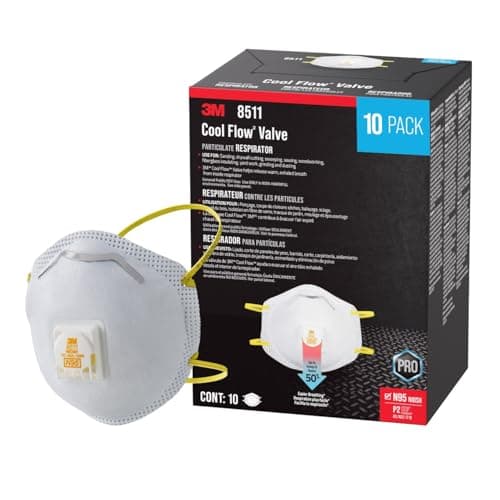
A NIOSH-approved N95 particulate respirator with Cool Flow exhalation valve for comfortable breathing during mold remediation. Filters at least 95% of airborne particles including mold spores. The adjustable M-noseclip and dual-strap design provide a secure seal. OSHA-recommended for mold work.
Pros
- NIOSH-approved N95 filtration
- Cool Flow valve reduces heat buildup
- Adjustable nose clip for secure fit
Cons
- Disposable, not reusable long-term
- Does not protect against chemical fumes or VOCs
- May not fit all face shapes comfortably
Step 1: Replace the Air Filter
Start with the easiest win. Pull out the existing air filter and inspect it. If it shows any discoloration, musty smell, or visible mold growth, bag it immediately and dispose of it. Install a new filter with a minimum MERV 11 rating — this level captures mold spores (which are typically 2 to 100 microns) effectively. MERV 13 is even better if your system can handle the higher static pressure. Check your HVAC manufacturer's specifications before upgrading to a higher MERV rating, as too restrictive a filter can reduce airflow and stress the blower motor. To clear spores the HVAC system has already circulated into your rooms, run a standalone HEPA air purifier — it catches particles far smaller than even a MERV 13 furnace filter.
Step 2: Clean Supply and Return Vent Covers
Remove all supply registers and return grilles throughout the house. Most are held in place by two screws or spring clips. Soak them in a bathtub or utility sink with warm water and a few tablespoons of dish soap for 15 minutes. Scrub any visible mold with a brush, rinse thoroughly, and let them dry completely before reinstalling. While the covers are off, inspect the first 12 to 18 inches of visible ductwork behind each register with a flashlight. Wipe any visible mold with a cloth dampened with mold cleaner.
Step 3: Clean the Drain Pan and Drain Line
If you can access your air handler's drain pan (it's typically a shallow metal or plastic tray beneath the evaporator coil), vacuum out any standing water and debris. Scrub the pan with a mixture of warm water and white vinegar or a commercial mold cleaner. To clear the drain line, pour a cup of distilled white vinegar or a 50/50 bleach-water solution into the drain line access point (usually a T-fitting with a removable cap near the air handler). Let it sit for 30 minutes, then flush with warm water. For stubborn clogs, a wet/dry vacuum applied to the exterior end of the drain line can pull the blockage free.
Concrobium Mold Control
Concrobium
$10–15
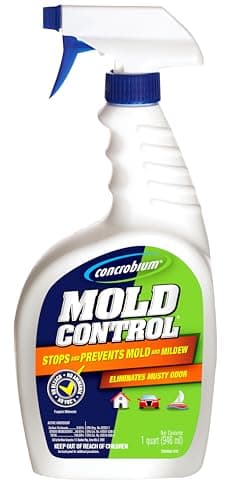
A patented, EPA-registered mold control solution that kills mold without bleach, ammonia, or VOCs. The tri-salt polymer formula crushes mold spores as it dries and leaves an invisible antimicrobial barrier to prevent regrowth. Safe for indoor use on virtually any surface.
Pros
- Non-toxic, no bleach or ammonia
- Kills mold and prevents regrowth
- Safe for use around children and pets
Cons
- Does not remove existing mold stains
- Takes longer to work than bleach-based products
- May require multiple applications for severe infestations
Step 4: Treat Accessible Surfaces
Spray the interior of the air handler cabinet, the drain pan, and any accessible surfaces near the coil with a mold removal spray. Do not spray directly on the evaporator coil or electrical components. Concrobium Mold Control is a good choice here because it's non-corrosive to metals and leaves a protective antimicrobial film as it dries. For larger areas, a mold fogger can treat entire duct systems more efficiently.
Benefect Decon 30 Disinfectant Cleaner
Benefect
$30–45
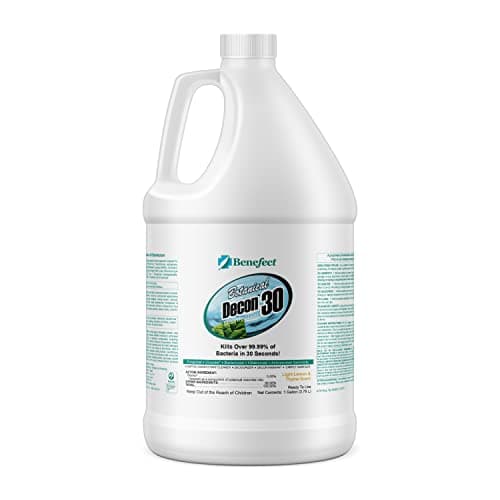
A botanical, hospital-grade disinfectant made from thyme oil that kills 99.99% of bacteria, fungi, and mold. Registered by the EPA as a broad-spectrum disinfectant with no synthetic chemicals, no rinse required, and no re-entry time. The go-to disinfectant for professional mold remediation companies.
Pros
- Botanical, hospital-grade disinfectant
- No rinse required, safe for food-contact surfaces
- Used by professional mold remediators
Cons
- Premium price compared to conventional cleaners
- Thymol scent may be strong for some users
- Not widely available in retail stores
When to Call an HVAC Professional
If mold is on the evaporator coil, inside ductwork, or on the blower wheel, you need a professional — hire a contractor certified by NADCA (National Air Duct Cleaners Association) who follows their ACR standard for assessment, cleaning, and restoration. Attempting to clean these yourself risks damage to the equipment, incomplete remediation, or personal exposure to high concentrations of mold spores in confined spaces.
- Evaporator coil cleaning: The coil consists of hundreds of thin aluminum fins that are easily bent or damaged. Professional HVAC technicians use specialized alkaline-based coil cleaners (preferred for mold, as acid-based coil cleaners can damage aluminum fins) and low-pressure rinse tools designed to clean without damaging the fins. They can also access both sides of the coil, which is necessary for thorough mold removal.
- Ductwork cleaning: Professional duct cleaning involves inserting rotating brushes and high-powered vacuum equipment into the duct system to physically dislodge and remove mold, dust, and debris. The system is placed under negative pressure during cleaning to prevent spores from being pushed into the living space. This requires specialized equipment that isn't available to consumers.
- Blower wheel and housing: The blower wheel (squirrel cage fan) collects mold and debris between its blades. Cleaning it requires removing the motor and wheel assembly from the air handler. This is feasible for a handy homeowner, but reassembly must be done correctly or the wheel will be out of balance, causing vibration and premature bearing failure.
- Large-scale contamination: If mold is visible on multiple components — coil, drain pan, blower, and ductwork — the scope of the problem warrants professional remediation. This level of contamination often indicates a systemic moisture issue that needs diagnosis.
Professional HVAC mold remediation typically costs between $300 and $1,000 depending on the scope — use our mold removal cost calculator to estimate your project. A basic coil and drain pan cleaning runs $300 to $500. Full duct cleaning adds $400 to $700. Complete system remediation including coil, ductwork, and air handler cleaning can reach $800 to $1,000 or more for large systems. Get at least two quotes and verify that the company is licensed, insured, and experienced specifically with mold remediation — not just standard duct cleaning.
Preventing Mold in Your AC System
Installing a UV-C germicidal light (254nm wavelength — the specific wavelength that disrupts mold DNA) near the evaporator coil and maintaining indoor humidity between 30-50% are the two most effective long-term prevention measures. These maintenance practices significantly reduce the risk of mold colonizing your HVAC system.
- Change filters regularly. Replace disposable filters every 30 days during heavy-use months (summer and winter). If you use higher-end pleated filters, follow the manufacturer's recommended replacement interval, which is typically every 60 to 90 days. Mark your calendar or set a phone reminder.
- Keep the condensate drain line clear. Once a month during cooling season, pour a cup of white vinegar into the drain line access point. This prevents algae and mold from building up inside the line. Some HVAC technicians install condensate drain line cleaning tablets in the drain pan that slowly dissolve and keep the line clear between maintenance visits.
- Consider a UV-C light in the air handler. Ultraviolet germicidal irradiation (UVGI) lights installed near the evaporator coil emit UV-C light that disrupts the DNA of mold spores, bacteria, and viruses, preventing them from reproducing. These lights run continuously and treat the coil surface 24/7. Professional installation costs $200 to $400 for the light and labor, with bulb replacement needed annually ($30 to $80). Studies show UV-C lights reduce mold growth on evaporator coils by 85 to 99 percent.
- Maintain proper indoor humidity. Keep relative humidity between 30 and 50 percent. Use a hygrometer (available for under $15) to monitor levels. If your AC system alone can't maintain these levels — common in very humid climates — a whole-house dehumidifier integrated with your HVAC system can bring humidity under control. Portable dehumidifiers work for individual rooms.
- Schedule annual HVAC maintenance. A professional tune-up includes inspecting and cleaning the evaporator coil, checking the drain line, verifying proper refrigerant charge (which affects coil temperature and condensation rates), and inspecting for any issues that could promote mold growth. Most HVAC companies offer annual maintenance plans for $100 to $200 that include priority service and discounts on repairs.
- Don't turn the system completely off. When you leave for vacation, set the thermostat to 80 to 82 degrees rather than turning the system off entirely. This allows the system to cycle periodically, preventing humidity from building up unchecked. A home that sits without air conditioning in a humid climate can reach indoor humidity levels of 80 percent or higher within days, creating conditions for explosive mold growth.
Testing Your Air for Mold Spores
Take one air sample near a supply vent while the AC runs and one outdoors — if indoor spore counts are significantly higher, your HVAC system is the source. Home mold test kits allow you to collect air samples that are analyzed by a laboratory to identify the types and concentrations of mold spores present in your indoor air.
For the most useful results when testing for HVAC-related mold, take samples at two locations: one near a supply vent while the system is running and one outdoors for comparison. Indoor spore counts that are significantly higher than outdoor levels, or that contain species not present in the outdoor sample, indicate an indoor mold source — most likely in the HVAC system if that's where your symptoms correlate.
If you see pink or orange slime rather than dark fuzzy growth on AC drip pans or drain lines, that's likely pink mold (a bacterium, not fungal mold) — it thrives in standing water and needs direct cleaning rather than fogging.
Note: car AC systems are equally prone to mold — if you notice musty odors when the AC runs in your vehicle, see our car mold removal guide for the specific steps required for automotive HVAC systems. Post-remediation testing is equally important. After professional HVAC cleaning, a follow-up air quality test verifies that spore counts have dropped to acceptable levels. If counts remain elevated, additional cleaning or investigation is needed. For the most thorough assessment, consider an ERMI mold test, which uses DNA analysis to detect 36 species. For budget-friendly options, see our best mold test kits guide.
My Mold Detective MMD103 Multi-Room Mold Test Kit
My Mold Detective
$40–50
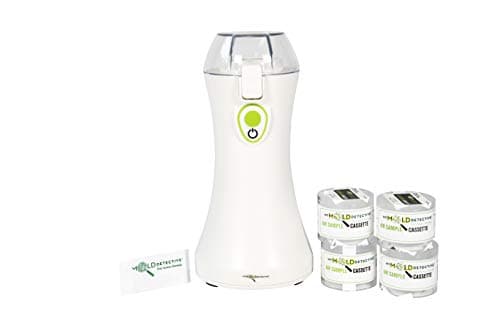
A multi-room air sampling kit that uses cassette-style collectors for more accurate spore counts than settling plates. Lab analysis is included in the purchase price, and results are delivered via email with a detailed breakdown of mold species and concentration levels.
Pros
- Tests up to 3 rooms in a single kit
- Lab analysis included in the price
- Uses cassette-style air sampling for professional-grade results
Cons
- Requires a box fan or pump for air sampling
- More complex setup than settling-plate kits
- Results take 3-5 business days
Need Professional Mold Removal?
Get free, no-obligation quotes from licensed mold remediation specialists in your area.
Get Free QuotesFrequently Asked Questions
Why does mold grow in air conditioners?
Can black mold in AC make you sick?
How much does professional AC mold removal cost?
How do I prevent mold from growing in my AC?
Related Articles
Best Mold Test Kits for Home Use: What Works & What's a Waste of Money (2026)
Best Mold Fogger & Mold Bomb: Machines, Solutions & Safety Guide (2026)
How to Get Rid of Black Mold: DIY Removal Guide
What Does Mold Smell Like? How to Identify Mold by Smell
Concrobium Mold Control Review: What It Does (and What It Won't)
Mold Testing Guide: Do You Need a Test & Which Type Is Best?
Need Professional Mold Removal?
Get free, no-obligation quotes from licensed mold remediation specialists in your area.
Get Free Quotes