ERMI vs Air Test vs HERTSMI-2: Which Mold Test Do You Need?
Out of the Mold Editorial Team
Our guides are research-backed and cite EPA, CDC, and peer-reviewed sources. Product reviews are based on hands-on testing, not manufacturer claims. Read our editorial standards.
Affiliate Disclosure: Out of the Mold is reader-supported. As an Amazon Associate, we may earn a commission when you buy through links on this page — at no extra cost to you. Our picks are based on independent standards, manufacturer specifications, and published research, not commissions.
Key Takeaways
- Air sampling reads the current air (a minutes-long snapshot); ERMI and HERTSMI-2 read settled dust (months of history).
- Choose air sampling for a cheap screen or a pre/post-remediation check; choose ERMI for a home purchase, legal matter, or chronic symptoms.
- HERTSMI-2 is ERMI's five-species subset, built for the Shoemaker/CIRS protocol — it's a clinical tool, not a general 'how bad is my house' test.
- An ERMI above 5 generally warrants remediation, but it's a snapshot skewed by cleaning and the EPA won't endorse it as a sole basis for action.
- Don't test mold you can already see and plan to remove, and never run an air kit without an outdoor control sample.
Air sampling is the quick, cheap screen; ERMI is the thorough, standardized DNA test; HERTSMI-2 is ERMI's cheaper five-species subset used for mold illness. If you want a fast pre/post-remediation check or you're on a budget, air sample it ($30–$80 DIY). If you're buying a home, pursuing a claim, or chasing chronic symptoms, spend on an ERMI($200–$250 DIY). If a doctor asked for it — usually a Shoemaker/CIRS case — that's what HERTSMI-2 is for.
Most people land here because someone — a doctor, a home inspector, a forum thread — told them to “get an ERMI,” and now they're staring at a $250 kit wondering if the $40 air test on the next shelf would do the same job. It won't, exactly, and the difference is worth understanding before you spend, because these three tests answer subtly different questions and picking the wrong one is either wasted money or a wasted result you can't use.
The three tests, side by side
Air sampling, ERMI, and HERTSMI-2 differ in what they sample, how they analyze it, and — crucially — whether the result comes with a standardized score you can compare against other homes:
| Feature | Air sampling | ERMI | HERTSMI-2 |
|---|---|---|---|
| Species detected | 10–20 (varies) | 36 (standardized) | 5 (high-risk only) |
| Method | Spore trap / culture | DNA (MSQPCR) | DNA (MSQPCR) |
| Sample | Air | Settled dust | Settled dust |
| DIY cost | $30–$80 | $200–$250 | Cheaper subset of ERMI |
| Results | 3–7 days | 7–14 days | 5–10 days |
| Standardized score | No | Yes (ERMI score) | Yes (HERTSMI-2 score) |
| Best for | Quick screen, pre/post remediation | Home purchase, legal, chronic symptoms | Shoemaker/CIRS protocol |
The dividing line is dust versus air. Air sampling catches whatever spores happen to be floating past the cassette in a few minutes — a real-time snapshot that swings hour to hour. ERMI and HERTSMI-2 analyze settled dust, which accumulates over months, so they read the home's history rather than the current air. That's why a dust-based DNA test is harder to game and more useful for a big decision, and why an air sample is better for a quick “did the remediation work?” before-and-after.
The two DIY kits most people actually choose
HERTSMI-2 is usually ordered through a doctor or a specialty lab, so for homeowners buying off the shelf the real choice is between a consumer air kit and a DIY ERMI kit. Here's how the two we'd point people to stack up:
| Product | Rating | Price | Best For | Link |
|---|---|---|---|---|
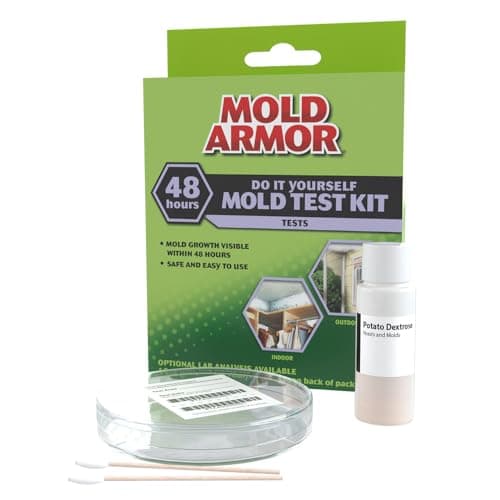 Mold Armor FG500 Do It Yourself Mold Test Kit Mold Armor | 4.3 | $9–15 | Budget-conscious homeowners who suspect mold in a single area | View |
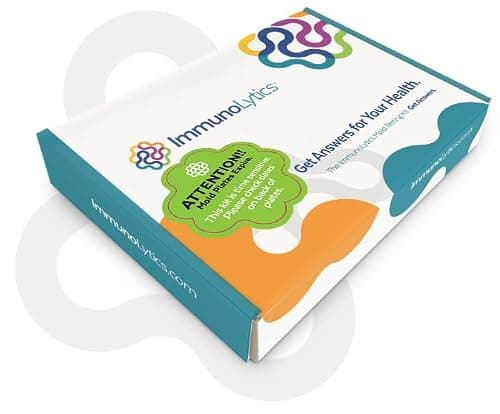 ImmunoLytics ERMI Mold Test Kit ImmunoLytics | $190–220 | Buyers or renters who need comprehensive, legally defensible mold data | View |
Note the price gap is doing real work: the air kit is cheap because it's a screen, and the ERMI kit costs more because you're paying for a lab to run DNA analysis on 36 species and hand you a comparable score. Neither is “better” in the abstract — they're built for different jobs, which is the whole point of the next section.
Which test for your situation
- Air sampling — visible mold you plan to clean anyway and want a before/after on, budget-conscious screening, or a quick check that a room is roughly normal versus outdoors. Always pair it with an outdoor control sample or the number means nothing.
- ERMI — buying or renting a home, an insurance or legal matter where you need a defensible, standardized number, chronic health symptoms that improve when you leave the house, or verifying a major remediation. This is the one worth the $200+.
- HERTSMI-2— you're being treated for mold illness (CIRS) and following the Shoemaker Protocol, or you want a cheaper screen focused only on the five species that matter most for that treatment before committing to a full ERMI.
- Don't test at all— you can see the mold, it's under about 10 square feet, and you know what surface it's on. The EPA says a small identifiable patch is a cleanup job, not a testing one. Read our testing-methods breakdownif you're on the fence about whether you even need a test.
Reading an ERMI score
An ERMI result is a single number, typically running from about −10 to 20 or higher, that compares your home's mold burden against a national reference set of homes:
- Below −4: low — cleaner than roughly 75% of U.S. homes.
- −4 to 0: about average.
- 0 to 5: above average — worth investigating moisture sources.
- Above 5: high — remediation is generally recommended.
Two caveats matter more than the number itself. It's a one-time snapshot that's skewed by your cleaning habits (vacuuming before you sample lowers it artificially), and it measures the dust reservoir, not what you're actually breathing. The EPA developed the index as a research tool and explicitly does not endorse it as the sole basis for a remediation decision — a point most testing companies selling ERMI kits leave out.
Reading a HERTSMI-2 score
HERTSMI-2 was developed by Dr. Ritchie Shoemaker for patients with Chronic Inflammatory Response Syndrome. It scores five high-risk species — Aspergillus penicillioides, A. versicolor, Chaetomium globosum, Stachybotrys chartarum, and Wallemia sebi — into a single figure aimed at one question: is this building safe for someone being treated for mold illness?
- Below 11: considered safe for a CIRS patient.
- 11 to 15: borderline — remediation may be needed.
- Above 15: unsafe — remediation before mold-illness treatment can work.
If you're not being treated for CIRS, HERTSMI-2's thresholds aren't really aimed at you — it's a clinical tool, and its cutoffs assume a patient in active treatment. For a general “how bad is my house” question, ERMI's broader 36-species picture is the more relevant read.
Mistakes that waste a mold test
Most bad mold-test money is spent one of these ways:
- Testing mold you can already see and plan to remove. You'll pay to confirm what your eyes told you for free.
- Running a settle plate or air kit with no outdoor control. Indoor spore counts are only meaningful next to an outdoor baseline taken the same day.
- Sampling during or right after rain. Rain suppresses outdoor spore counts, so your indoor number looks worse by comparison.
- Trusting a single air sample. Spore counts swing hour to hour; one reading is a rumor, not a result.
- Cleaning right before an ERMI.ERMI reads settled dust — vacuum first and you'll deflate the score without fixing anything.
- Buying ERMI when HERTSMI-2 (or nothing) would answer the question. Match the test to the decision, not to whichever kit the site you landed on happens to sell.
Once you've chosen, our full ERMI testing guide covers sampling technique, turnaround, and what to do with the result — and if the whole thing started with a smell rather than a symptom, back up to what mold smells like before you spend anything.
Frequently Asked Questions
Is ERMI better than air sampling for mold?
What is the difference between ERMI and HERTSMI-2?
How much does each type of mold test cost?
What ERMI score is dangerous?
Do doctors recommend ERMI or air testing?
Can I do ERMI and air sampling myself?
Related Articles
ERMI Mold Test: Cost, Accuracy & When You Actually Need One
How to Test for Mold at Home: DIY Methods That Actually Work
Best Mold Test Kits for Home Use: What Works & What's a Waste of Money (2026)
What Does Mold Smell Like? How to Identify Mold by Smell
Is There a Mold Detector? What Actually Detects Mold in Your Home
How to Get Rid of Black Mold: DIY Removal Guide
Dealing With Mold Right Now?
Our step-by-step mold removal guide walks you through testing your home, choosing the right products, and knowing when a job is too big for DIY.
Read the Removal Guide