How to Remove Mold from Wood (Without Ruining It)
Out of the Mold Editorial Team
Our guides are research-backed and cite EPA, CDC, and peer-reviewed sources. Product reviews are based on hands-on testing, not manufacturer claims. Read our editorial standards.
Affiliate Disclosure: Out of the Mold is reader-supported. As an Amazon Associate, we may earn a commission when you buy through links on this page — at no extra cost to you. Our picks are based on independent standards, manufacturer specifications, and published research, not commissions.
Key Takeaways
- Decide by wood type: framing, sealed furniture, and outdoor decking each need a different method.
- Don’t use chlorine bleach on raw wood — its water content soaks into the grain and can feed the mold roots.
- Pressure-test first: firm wood is salvageable; soft or crumbling wood is rot and may need replacing.
- The step most guides skip: restore color with oxalic acid on bare wood, then seal with a stain-blocking primer.
- Areas under ~10 sq ft are DIY (EPA); above that, or structural framing, calls for a professional.
To remove mold from wood: scrub the surface with detergent and water, treat it with a bleach-free fungicide, let it dry completely, then de-stain — oxalic acid for bare wood, a chlorine stain remover for sealed or painted wood. The one rule that saves the most wood: don't reach for chlorine bleach on raw wood.It bleaches the surface but its water content soaks into the grain and can feed the mold roots underneath — the EPA doesn't even list bleach as a recommended method. Below: how to decide whether the wood can be saved, and the right method for framing, furniture, and decking (they're not the same).
"Remove mold from wood" is one search, but it hides three very different problems: raw structural lumber in a wall or attic, a sealed piece of furniture you'd hate to ruin, and weathered outdoor decking. The generic "how to clean mold" guides treat wood as one line item. It isn't. The method that rescues an antique dresser will gray out a joist, and the approach for a deck is different again. Here's the version that decides by wood type — and includes the step nearly every guide skips: restoring the color after the mold is gone.
First: Can This Wood Be Saved?
Before any product, do the pressure test. Push a screwdriver or your gloved thumb into the affected wood.
- Firm, with staining only on the surface?Almost always salvageable. Mold that hasn't penetrated is a cleaning-and-de-staining job.
- Soft, spongy, or crumbling?That's rot, not just mold — the wood fibers are compromised. On structural framing (joists, studs, subfloor) that's a replace-or-get-an-engineer decision, not a spray-bottle one. See how to get rid of black mold for the structural cases and when to call a pro.
The other threshold worth knowing: the EPA says areas under about 10 square feet are generally a DIY job. A single moldy chair or a small run of studs qualifies; a whole basement wall of framing doesn't.
Surface Mold vs Deep Mold on Wood
Wood is cellulose— mold food — and it's absorbent, so it holds both moisture and pigment. Surface mold sits on top and wipes or sands away. Deep mold has sent hyphae into the grain; you'll know because cleaning lifts the fuzz but leaves a stain that won't wipe off. That leftover mark is the same problem you get with any porous material: the colony may be dead, but the melanin pigment is embedded and needs a bleaching step, not more scrubbing. This is also the difference between mold and mildew on the surface and a deeper colony — mildew stays superficial, mold digs in.
Removing Mold from Unfinished Wood (Framing, Studs, Joists)
- Gear up and contain. P100 respirator, goggles, gloves — raw wood means sanding, and sanding aerosolizes spores. See the PPE guide.
- HEPA-vacuum, then scrub.Vacuum loose growth, then scrub with detergent and water (the EPA's method) or a bleach-free fungicide.
- Treat with a fungicide that inhibits regrowth. Concrobium Mold Control is the go-to on porous wood precisely because it isn't bleach — it kills and leaves an antimicrobial film without driving water into the grain. For a whole joist bay, decant it into a chemical-rated pump sprayer.
- Sand if the stain remains. Deep penetration in bare wood often needs 80–120 grit to physically remove the stained fibers. Vacuum again after.
- Restore the color.Here's the step generic guides drop. On bare, grayed wood, oxalic acid wood bleach is the classic fix — it lifts the gray weathered cast and brings the wood tone back where a chlorine remover would leave it dull. (Chlorine removers like RMR-86 brighten but can leave a gray cast in raw grain — fine on sealed wood, not ideal on bare framing you want to look right.)
- Seal it. A stain-blocking, mold-killing primer like Zinsser locks down any remaining spores and stops the old stain ghosting through later. More on films and paints in our mold-resistant paint guide.
Concrobium Mold Control (32 oz Spray, 2-Pack)
Concrobium
$34–40 (2 bottles)
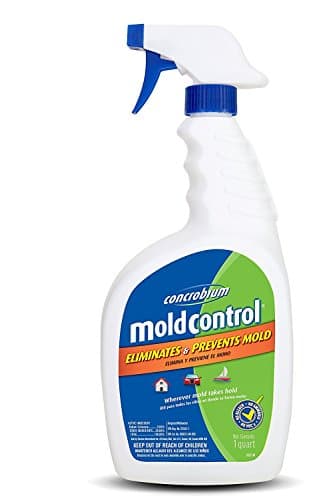
A patented, EPA-registered mold control solution that kills mold without bleach, ammonia, or VOCs. The tri-salt polymer formula crushes mold spores as it dries and leaves an invisible antimicrobial barrier to prevent regrowth. Safe for indoor use on virtually any surface.
Pros
- Non-toxic, no bleach or ammonia
- Kills mold and prevents regrowth
- Safe for use around children and pets
Cons
- Does not remove existing mold stains
- Takes longer to work than bleach-based products
- May require multiple applications for severe infestations
Oxalic Acid Wood Bleach (99.9%)
Eco Living Solutions
$9–18
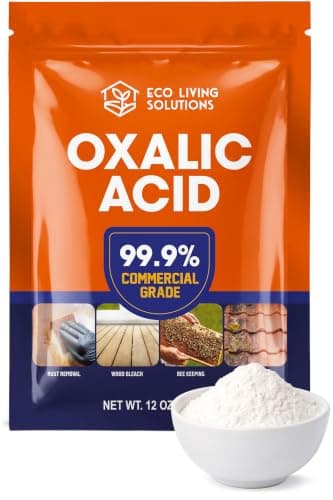
The one product that fixes what chlorine bleach can't: the gray, weathered cast left in raw wood after the mold is gone. Oxalic acid is the classic wood bleach for restoring joist, subfloor, and deck color. It's a mix-it-yourself powder, so treat it with respect — gloves, goggles, and a respirator — but for bare wood staining nothing off a spray shelf matches it.
Pros
- Removes the gray-black staining chlorine bleach leaves behind on raw wood
- Restores wood tone on joists, subfloor, and decking
- A little powder mixed with water covers a lot of area
Cons
- Powder you mix yourself — needs gloves, goggles, and care
- Toxic if inhaled or ingested; not for casual indoor spraying
- Slower, multi-step process versus a ready-to-use spray
Removing Mold from Finished Wood (Furniture, Cabinets, Trim)
Sealed wood is easier — the finish kept the mold on the surface, so you rarely need to sand. Take furniture outdoorsif you can so you're not spreading spores indoors. Vacuum with a HEPA unit, then wipe with a wood-safe cleaner or a diluted fungicide; avoid soaking the piece. For the stain left in the finish, a chlorine stain remover like RMR-86 works on sealed surfaces — but always pre-test a hidden spot for colorfastness, because it can strip finishes and paint. For a valuable or antique piece, stop at cleaning and consult a restorer rather than risk the finish. Floors are their own case — see mold on wood floors.
RMR-86 Instant Mold & Mildew Stain Remover Spray (1 Gallon)
RMR Brands
$25–35
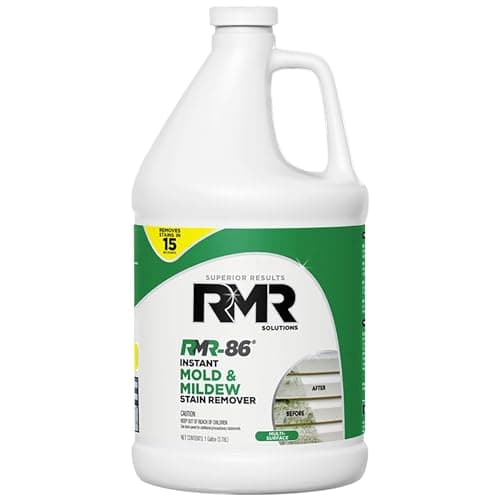
A fast-acting, commercial-strength mold stain remover that eliminates black mold stains on contact. The sodium hypochlorite formula penetrates porous surfaces to lift deep stains without scrubbing. Best used in well-ventilated areas with proper respiratory protection.
Pros
- Removes stains in as little as 15 seconds
- Works on wood, concrete, drywall, and tile
- No scrubbing required
Cons
- Strong bleach-based formula with harsh fumes
- Not safe for fabrics or colored surfaces
- Requires good ventilation and PPE
Smith Performance 190285 1-Gallon Bleach & Chemical Sprayer
Smith Performance Sprayers
$20–30
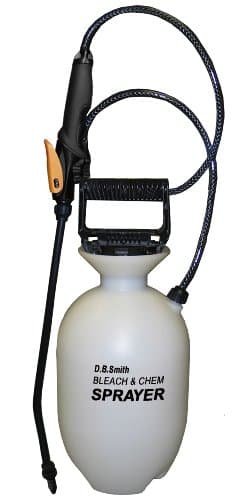
A trigger bottle is fine for a shower corner; a crawl space full of stained joists is not a trigger-bottle job. This Viton-sealed pump sprayer is built for bleach and acid chemistry that eats standard garden-sprayer seals in a season. Fill it with diluted RMR-86 or Concrobium and cover a whole joist bay in minutes instead of pumping a trigger a thousand times.
Pros
- Viton seals survive bleach and RMR-86 that destroy garden-sprayer O-rings
- 1-gallon tank covers joist bays and large surfaces without constant refills
- Adjustable nozzle from stream to fan for overhead work
Cons
- Overkill for a single small bathroom spot
- Needs rinsing after each use to protect the seals
- Pump-up pressure drops as the tank empties
Removing Mold from Outdoor Wood (Deck, Fence, Siding)
Outdoor wood gets mold and mildew stains from constant damp and shade. A dedicated deck/wood cleaner or an oxygen-bleach solution (sodium percarbonate) is gentler on the fibers than chlorine and won't harm nearby plants the way bleach runoff can. Apply, let it dwell, scrub with a stiff brush along the grain, and rinse. For the gray weathering that mold leaves behind, oxalic acid (sold as "deck brightener") is again the color-restoration step. Reseal once fully dry — an unsealed deck is just re-inviting the problem.
Why You Shouldn't Use Bleach on Wood
This is the counterintuitive part worth repeating. Chlorine bleach is the wrong first tool for raw wood. Bleach is mostly water, and on a porous material the chlorine stays on the surface while the water carries into the grain — potentially feeding the very roots you're trying to kill, and raising the wood grain besides. The EPA's guidance doesn't recommend bleach at all; it says scrub with detergent and water and, above everything, fix the moisture. We go deeper on the chemistry in does bleach kill mold and cover the gentler DIY option in does vinegar kill mold. Save the chlorine-based stain removers for the last step on sealedsurfaces, where you're bleaching a stain out of a finish rather than dumping water into open grain.
Zinsser Mold Killing Primer (Quart, 3-Pack)
Zinsser
$55–65 (3 quarts)
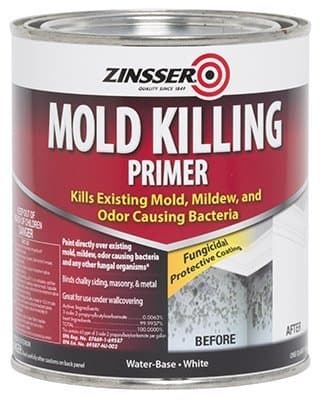
An EPA-registered fungicidal primer that kills existing mold, mildew, and odor-causing bacteria on contact. Creates a mold-resistant barrier on interior and exterior surfaces including drywall, wood, concrete, and masonry. Essential for mold remediation projects before applying topcoat paint.
Pros
- Kills existing mold on contact while priming
- EPA-registered fungicidal protective coating
- Bonds to all interior and exterior surfaces
Cons
- Strong odor during application, requires ventilation
- Water-based formula can raise grain on bare wood
- Must be topcoated with paint for lasting protection
Keeping Mold Off Wood for Good
Every one of these methods fails if the wood stays damp. Get the relative humidity in the space below 60%, fix the leak or condensation source that started it, and seal or paint bare wood so it can't reabsorb moisture. Wood mold is never really a wood problem — it's a water problem wearing a wood costume. Kill it, restore the color, seal it, and dry the room, and it stays gone.
Sources: US EPA, Mold Cleanup in Your Home (10 sq ft guideline, detergent-and-water method, moisture-first); RMR Solutions product FAQ (surface guidance for chlorine stain removers). Editorial price ranges only — no live Amazon pricing.
Frequently Asked Questions
What kills mold on wood?
Should I use bleach to remove mold from wood?
Can moldy wood be saved or does it need replacing?
How do you get mold stains out of wood after killing the mold?
How do I stop mold coming back on wood?
Related Articles
Best Mold Stain Removers: RMR-86 vs the Rest
Mold on Wood Floors: Remove It, Refinish, or Replace?
Concrobium Mold Control Review: What It Does (and What It Won't)
Mold-Resistant Paint: How It Works, When to Use It, and What It Can't Do
How to Get Rid of Black Mold: DIY Removal Guide
Does Bleach Kill Mold? The EPA Says No — Here's What Actually Works
Dealing With Mold Right Now?
Our step-by-step mold removal guide walks you through testing your home, choosing the right products, and knowing when a job is too big for DIY.
Read the Removal Guide