Fogging With Concrobium: Machine Setup, Coverage & Step-by-Step
Out of the Mold Editorial Team
Our guides are research-backed and cite EPA, CDC, and peer-reviewed sources. Product reviews are based on hands-on testing, not manufacturer claims. Read our editorial standards.
Affiliate Disclosure: Out of the Mold is reader-supported. As an Amazon Associate, we may earn a commission when you buy through links on this page — at no extra cost to you. Our picks are based on independent standards, manufacturer specifications, and published research, not commissions.
Key Takeaways
- Concrobium is designed for cold/ULV fogging at full strength — never dilute it.
- Don't wipe it off: Concrobium crushes spores and forms its antimicrobial film as it dries, so wiping removes the mechanism.
- Pick a ULV fogger with adjustable droplet size — Concrobium's slight viscosity clogs fixed ultra-fine nozzles.
- Coverage: ~1 gallon fogs a 400 sq ft room; buy extra for basements and crawl spaces where absorbent surfaces drink more.
- Owning a ~$80–130 fogger beats renting at $30–50/day after about two uses — the math favors buying for any recurring damp space.
Yes — Concrobium Mold Control is designed to be cold-fogged at full strength, with no dilution. You pour it straight into a ULV (ultra-low-volume) fogger, mist the whole space, and — this is the step people get wrong — you do not wipe it off.Concrobium works as it dries: the solution crushes mold spores as the water evaporates and leaves an invisible antimicrobial film that keeps working. One gallon fogs roughly a 400-square-foot room. Below: the exact machine-to-fluid pairing, per-room coverage math, buy-vs-rent economics, and the honest limits of what fogging can and can't do.
If you've chosen Concrobium and you want to treat a whole room, basement, attic, or crawl space instead of wiping surface by surface, fogging is the right call — but the manufacturer's instructions are thin on the one thing you actually need: which machine to use. Concrobium sells the fluid and won't recommend third-party hardware, and fogger listings sell hardware without telling you how to run this specific solution. This guide pairs the two, with the coverage math and the counterintuitive "don't wipe" rule that decides whether it works.
Why Fog Instead of Spray
A spray bottle treats what you can reach and see. A cold fogger atomizes Concrobium into a fine mist that fills the air and settles into cracks, wall-floor joints, framing cavities, and the tops of joists you'd never wipe by hand. That's the entire advantage: whole-space coveragein places a rag can't go. It's why fogging is the go-to for basements, attics, and crawl spaces, and for knocking down the airborne spore load and musty odor after a water event.
Concrobium is a good fit for fogging specifically because it's a bleach-free, VOC-free tri-salt solution — you can fog it in an occupied home without the fumes of a chlorine product, and it dries to a clear, odorless film. (For the full product breakdown, see our Concrobium Mold Control review.)
The Machine: What ULV Fogger to Use
Concrobium sells its own aerosol fogger kit, which bundles the machine and the solution — the simplest path if you want one box and don't already own a fogger.
Concrobium Mold Control Fogger
Concrobium
$40–100
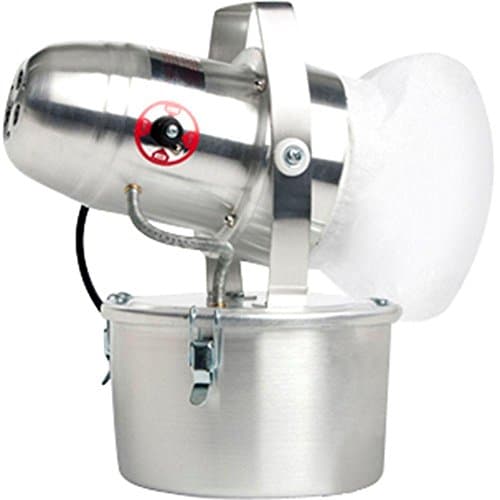
A complete fogging system that disperses Concrobium Mold Control as a fine mist to treat entire rooms. The cold-fog technology reaches into cracks, crevices, and HVAC ducts where mold hides. Kills existing mold and leaves a protective barrier to prevent regrowth.
Pros
- Treats entire rooms including hard-to-reach areas
- Non-toxic Concrobium formula, safe for occupied spaces
- Includes cold fogger machine and mold control solution
Cons
- Fogger machine is loud and requires setup
- Does not remove existing mold stains
- Solution needs time to dry and form protective barrier
If you want more capacity, a reusable tank, and a machine you'll keep for future jobs, a standalone electric ULV cold fogger is the better long-term buy. The one spec that matters for Concrobium: adjustable droplet size (micron output). Concrobium has a bit more body than water, so you want a machine that lets you dial the flow up slightly rather than a fixed ultra-fine nozzle that clogs. A 1+ gallon tank fogs several rooms without refilling.
Electric ULV Cold Fogger Machine (1.2 Gallon)
Generic
$80–130
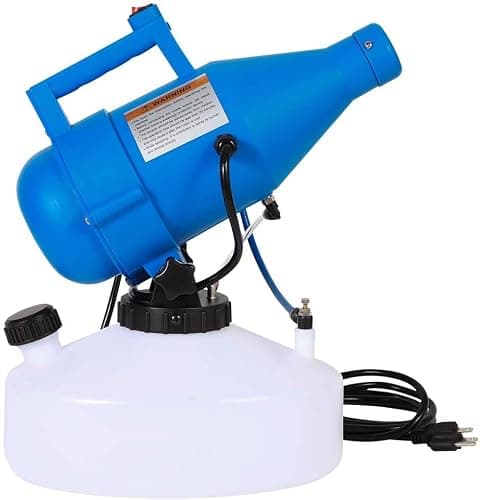
A refillable electric ULV (ultra-low-volume) cold fogger — the machine that turns a jug of Concrobium into a whole-room wet fog. Adjustable droplet size lets you dial in the fine micron output that reaches cracks and cavities a spray bottle can't. For anyone treating more than one room, owning one beats buying stacks of single-use aerosol bombs.
Pros
- Adjustable micron output handles Concrobium's viscosity at full strength
- 1.2-gallon tank fogs multiple rooms without refilling
- Reusable — pays for itself against single-use aerosol bombs after ~2 jobs
Cons
- Generic-brand build; not commercial-grade for daily use
- Corded, so you're tethered to an outlet and extension cord
- Needs a rinse-through after each use or the nozzle clogs
And the fluid itself — buy it by the gallon if you're fogging, not the little spray bottle. Fogging goes through product faster than you expect.
Concrobium Mold Control
Concrobium
$10–15
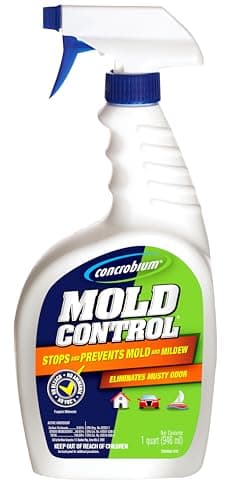
A patented, EPA-registered mold control solution that kills mold without bleach, ammonia, or VOCs. The tri-salt polymer formula crushes mold spores as it dries and leaves an invisible antimicrobial barrier to prevent regrowth. Safe for indoor use on virtually any surface.
Pros
- Non-toxic, no bleach or ammonia
- Kills mold and prevents regrowth
- Safe for use around children and pets
Cons
- Does not remove existing mold stains
- Takes longer to work than bleach-based products
- May require multiple applications for severe infestations
Buy vs. Rent the Fogger
You can rent a ULV fogger from most tool-rental counters for roughly $30–$50 a day. Owning a decent electric unit runs about $80–$130. The math is simple and it favors buying faster than people think:
| Scenario | Rent | Buy |
|---|---|---|
| One room, one day | ~$40 | ~$100 |
| Multi-day job (dries between coats) | ~$80–120 | ~$100 (yours) |
| Recurring damp space (crawl space, basement) | $40 every time | ~$100 once |
Rent only if you have a single one-day job and will never touch mold again. For anyone with a damp basement or crawl space — the exact places mold recurs — owning wins after about two uses, and you're not racing a rental clock while the solution dries.
Step-by-Step: How to Fog With Concrobium
- Prep the room.Clear or cover anything you don't want misted, remove people, pets, and plants, and turn the HVAC offso the fog doesn't travel the ducts.
- Suit up. Fog is still an inhalation exposure — wear a P100 respirator and non-vented goggles (see our mold PPE guide).
- Fill full-strength. Pour Concrobium into the tank undiluted— it's ready to use. Set a medium flow rate.
- Fog the space. Work from the far corner back toward the door, sweeping the mist across walls, ceiling, and into cavities. A light, even coat everywhere beats a soaked patch.
- Let it dry — do NOT wipe. This is the step people ruin the job on. Concrobium crushes spores and forms its protective film as it dries. Wiping it off removes the whole mechanism. Walk away and let it work.
- Ventilate and re-enter. Give it the dry time on the label, then air the space out before normal use. Wear the respirator on first re-entry.
Coverage Math: How Much Do You Need?
Per Concrobium's own application data, roughly one gallon fogs a 400-square-foot room, and about a half gallon covers ~1,400 square feet of total surface (the walls, floor, and ceiling of a 20' × 20' room with 8-foot ceilings). Absorbent surfaces — bare wood, masonry — drink more, so round up. A quick planner:
- Single bathroom or closet: a quart to a half gallon
- One bedroom / 400 sq ft: ~1 gallon
- Full basement or crawl space:2+ gallons, and buy extra — you'd rather stop mid-job with product left than run dry across a joist bay
What Fogging Concrobium Won't Do
Here's the honest part the product page skips. Fogging is a treatment, not a cure:
- It doesn't remove the moisture source.Fog a damp crawl space and the mold returns until you fix the water — that's what a crawl space dehumidifier and a vapor barrier are for.
- It doesn't erase existing stains.Concrobium kills and prevents; it doesn't bleach out the black staining left behind. That's a separate stain-remover step.
- It doesn't deep-clean heavy, porous growth. Thick mold on drywall or wood needs physical removal first — fog the space afteryou've cut out and bagged the worst of it, not instead of.
Think of fogging as the finishing and prevention layer: remove the obvious growth, fog to treat what you can't reach and lay down the antimicrobial film, then verify with a follow-up mold test if you want proof it worked. Prefer a single-use approach for one small room? Compare it to an aerosol can in our mold bomb fogger review, and see the broader machine options in our mold fogger guide.
Safety note: Concrobium is bleach-free and low-fume, but any fog is an inhalation exposure. Keep people, pets, and plants out during treatment, run it with the HVAC off, and wear a fitted P100 respirator on entry and re-entry.
3M 6391 Half Facepiece Reusable Respirator with P100 Filters
3M
$30–40
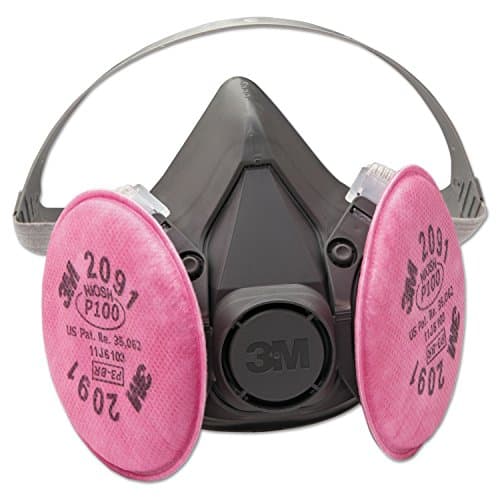
The step up from an N95 for serious mold work. The reusable half-facepiece takes P100 filters (99.97% particulate) and can pair with organic-vapor cartridges, so it handles both spores and the fumes from bleach, RMR-86, or paint strippers. This is what remediation pros wear for anything longer than a quick wipe-down.
Pros
- P100 filters block 99.97% of particles plus the bleach and ammonia fumes an N95 can't
- Reusable silicone facepiece seals better than a disposable mask
- Swappable cartridges — buy organic-vapor filters for chemical work
Cons
- Costs more upfront than a box of N95s
- Needs a clean-shaven face for a real seal, like any tight-fitting respirator
- Cartridges are a recurring cost once they clog
Frequently Asked Questions
Can you put Concrobium in a fogger?
Do you dilute Concrobium for fogging?
Do you wipe Concrobium off after fogging?
How much area does a gallon of Concrobium fog cover?
Does fogging Concrobium kill black mold?
Related Articles
Best Mold Fogger & Mold Bomb: Machines, Solutions & Safety Guide (2026)
Concrobium Mold Control Review: What It Does (and What It Won't)
Mold Bomb Fogger Review: Does It Actually Work? (2026)
Best Protective Gear for Mold Removal: What PPE You Actually Need
Best Crawl Space Dehumidifiers That Actually Work (2026)
How to Get Rid of Mold in Your Basement (2026 Guide)
Dealing With Mold Right Now?
Our step-by-step mold removal guide walks you through testing your home, choosing the right products, and knowing when a job is too big for DIY.
Read the Removal Guide